


Unlock the Acupuncture Health Benefits for Your Wellbeing

Acupuncture is an ancient healing practice that has gained popularity worldwide for its holistic approach to health. Rooted in traditional Chinese medicine, it involves inserting thin needles into specific points on the body to stimulate energy flow and promote natural healing. Many people turn to acupuncture to address various health concerns, from chronic pain to stress relief. This article explores how acupuncture can enhance your health and wellbeing, providing practical insights and actionable tips to help you decide if this therapy is right for you.
Understanding Acupuncture Health Benefits
Acupuncture works by targeting specific points on the body called acupoints. These points are believed to connect with energy pathways known as meridians. When these pathways are blocked or imbalanced, it can lead to illness or discomfort. By stimulating acupoints, acupuncture aims to restore balance and improve the body's natural healing processes.
Some of the key acupuncture health benefits include:
Pain relief: Acupuncture is widely recognized for its ability to reduce pain, including headaches, back pain, arthritis, and menstrual cramps.
Stress reduction: The therapy helps lower stress hormones and promotes relaxation, which can improve mood and sleep quality.
Improved digestion: Acupuncture can support digestive health by regulating the function of the stomach and intestines.
Enhanced immune function: Regular sessions may boost the immune system, helping the body fight off infections.
Better mental clarity: Many patients report increased focus and reduced anxiety after acupuncture treatments.
These benefits make acupuncture a versatile option for those seeking natural ways to improve their health without relying solely on medication.

How Acupuncture Supports Pain Management
One of the most common reasons people seek acupuncture is for pain management. Unlike conventional treatments that often focus on masking pain, acupuncture addresses the root causes by improving circulation and reducing inflammation.
For example, individuals suffering from chronic lower back pain may find relief after a series of acupuncture sessions. The needles stimulate the release of endorphins, the body’s natural painkillers, which can reduce discomfort and improve mobility. Similarly, those with migraines may experience fewer and less severe headaches.
If you are considering acupuncture for pain, here are some practical tips:
Consult a licensed acupuncturist: Ensure your practitioner is certified and experienced in treating your specific condition.
Commit to multiple sessions: Pain relief often requires a series of treatments rather than a single visit.
Combine with other therapies: Acupuncture can be part of a comprehensive pain management plan that includes physical therapy or lifestyle changes.
By integrating acupuncture into your health routine, you can achieve long-lasting pain relief and improve your quality of life.
Exploring the Benefits of Acupuncture for Mental Health
Acupuncture is not only effective for physical ailments but also offers significant benefits for mental health. It can help reduce symptoms of anxiety, depression, and insomnia by balancing the nervous system and promoting relaxation.
During an acupuncture session, the body releases neurotransmitters such as serotonin and dopamine, which regulate mood and emotional wellbeing. This natural boost can help alleviate feelings of stress and improve sleep patterns.
For those struggling with mental health challenges, acupuncture can be a valuable complement to traditional therapies. Here are some ways to maximize its benefits:
Schedule regular treatments: Consistency is key to maintaining mental balance.
Practice mindfulness: Combine acupuncture with meditation or deep breathing exercises.
Maintain a healthy lifestyle: Support your mental health with proper nutrition, exercise, and sleep.
By addressing both the mind and body, acupuncture offers a holistic approach to mental wellness.

What to Expect During Your Acupuncture Session
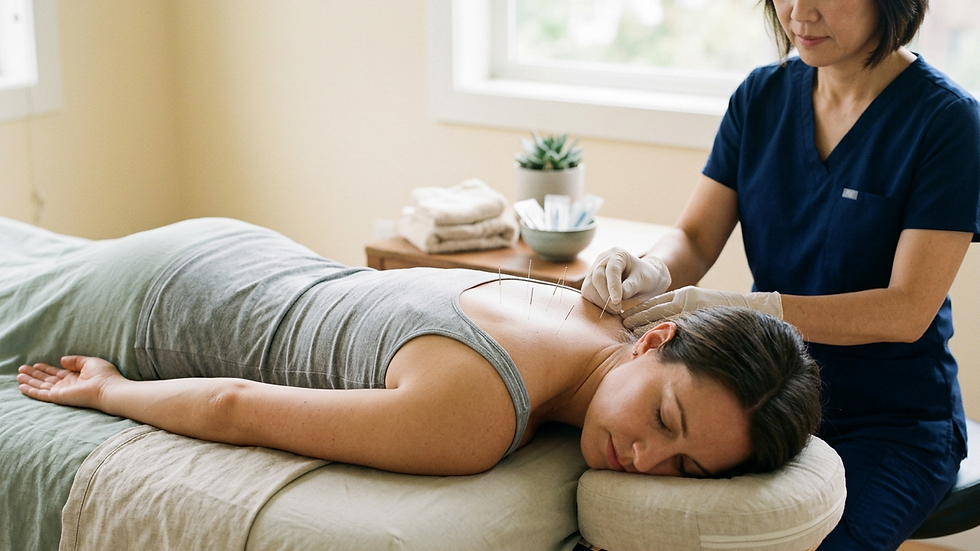
If you are new to acupuncture, understanding what happens during a session can help ease any apprehension. Typically, a session lasts between 30 to 60 minutes and involves the following steps:
Initial consultation: The acupuncturist will ask about your health history, symptoms, and goals.
Preparation: You will lie down comfortably while the practitioner locates the appropriate acupoints.
Needle insertion: Thin, sterile needles are gently inserted into the skin. Most people feel minimal discomfort, often described as a slight tingling or pressure.
Relaxation period: The needles remain in place for 15 to 30 minutes while you rest.
Needle removal: The practitioner removes the needles and may provide aftercare advice.
Many patients report feeling relaxed and refreshed after their session. It is normal to experience mild soreness or bruising, but serious side effects are rare when treatment is performed by a qualified professional.
Tips for Choosing the Right Acupuncturist
Finding the right acupuncturist is essential to ensure safe and effective treatment. Here are some guidelines to help you make an informed choice:
Check credentials: Look for practitioners licensed by recognized acupuncture boards or associations.
Read reviews: Patient testimonials can provide insight into the practitioner's skill and bedside manner.
Ask about experience: Choose someone who has experience treating your specific health concerns.
Discuss treatment plans: A good acupuncturist will tailor sessions to your needs and explain the expected outcomes.
Verify hygiene standards: Ensure the clinic uses disposable needles and maintains a clean environment.
Taking the time to research and select a reputable acupuncturist will enhance your treatment experience and health outcomes.
Embracing Acupuncture as Part of Your Wellness Journey
Incorporating acupuncture into your health routine can offer numerous advantages. Whether you seek relief from chronic pain, want to reduce stress, or improve your overall wellbeing, this ancient therapy provides a natural and holistic option.
To get started, consider scheduling a consultation with a licensed acupuncturist to discuss your health goals. Remember that acupuncture works best when combined with a healthy lifestyle, including balanced nutrition, regular exercise, and adequate rest.
For more detailed information on the benefits of acupuncture, explore trusted health resources and consult healthcare professionals.
Unlock the potential of acupuncture and take a proactive step towards a healthier, more balanced life.


Comments