


Understanding Traditional Chinese Medicine in Canada: A Guide to Traditional Healing Medicine

Traditional Chinese Medicine (TCM) has been practiced for thousands of years and continues to gain popularity worldwide, including in Canada. This ancient system of health care offers a holistic approach to wellness, focusing on balancing the body, mind, and spirit. In this article, we will explore the fundamentals of traditional healing medicine, how it is integrated into Canadian health care, and practical tips for those interested in exploring TCM.
What Is Traditional Healing Medicine?
Traditional healing medicine, particularly Traditional Chinese Medicine, is a comprehensive medical system that includes various therapies such as acupuncture, herbal medicine, cupping, moxibustion, and tai chi. The core philosophy revolves around the concept of Qi (energy flow) and the balance of Yin and Yang within the body.
Qi (energy): The vital life force that flows through the body’s meridians.
Yin and Yang: Opposing but complementary forces that must be balanced for health.
Meridians: Pathways through which Qi flows.
TCM practitioners diagnose imbalances by examining the tongue, pulse, and symptoms, then tailor treatments to restore harmony. This personalized approach is one reason why TCM remains relevant and effective in modern health care.

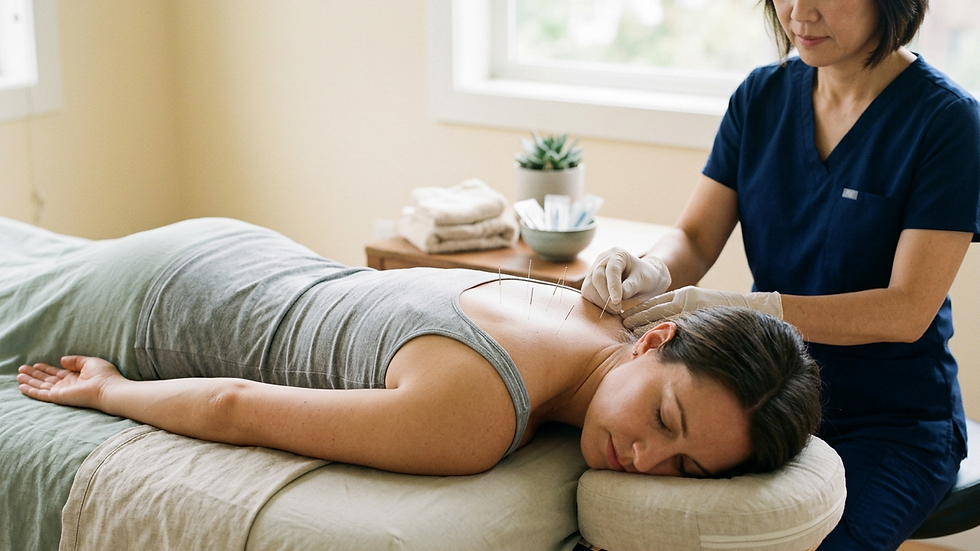
Acupuncture is a common TCM therapy used to restore energy balance.
The Role of Traditional Healing Medicine in Canada
Canada has embraced traditional healing medicine as a complementary health care option. Many Canadians seek TCM for chronic conditions, pain management, stress relief, and overall wellness. The integration of TCM into Canadian health care reflects a growing interest in holistic and natural therapies.
Regulation and Certification
In Canada, TCM practitioners are regulated in some provinces, such as British Columbia and Ontario, ensuring standards of practice and safety. Certification typically requires extensive training and passing licensing exams. This regulation helps protect patients and promotes professional standards.
Accessibility and Availability
Traditional healing medicine is accessible through private clinics, wellness centers, and some hospitals. Many practitioners offer services such as:
Acupuncture
Herbal consultations
Dietary advice based on TCM principles
Tai chi and qigong classes
For example, if you are in London, Ontario, you can find reputable clinics offering TCM services by searching for chinese medicine london.

Herbal medicine is a key component of TCM, with many natural remedies stored in specialized cabinets.
How Traditional Chinese Medicine Works: Key Therapies Explained
Understanding the main therapies used in traditional healing medicine can help you decide if TCM is right for you.
Acupuncture
Acupuncture involves inserting thin needles into specific points on the body to stimulate Qi flow and promote healing. It is widely used for pain relief, migraines, digestive issues, and stress reduction.
Herbal Medicine
Herbal formulas are customized to address individual health concerns. These natural remedies use roots, leaves, flowers, and minerals to support the body’s healing processes.
Cupping and Moxibustion
Cupping: Uses suction cups on the skin to improve circulation and relieve muscle tension.
Moxibustion: Involves burning mugwort near the skin to warm and stimulate acupuncture points.
Tai Chi and Qigong
These gentle movement practices enhance Qi flow, improve balance, and reduce stress. They are often recommended as part of a holistic treatment plan.
Practical Tips for Exploring Traditional Healing Medicine in Canada
If you are considering TCM, here are some actionable recommendations to get started safely and effectively:
Research Credentials: Ensure your practitioner is licensed or certified in your province.
Consult Your Doctor: Discuss your interest in TCM with your primary care provider, especially if you have chronic conditions or are on medication.
Start with a Consultation: A thorough initial assessment will help tailor treatments to your needs.
Be Patient: TCM often requires multiple sessions for best results.
Combine with Lifestyle Changes: Follow dietary advice, practice tai chi or qigong, and maintain a balanced lifestyle to support healing.
The Growing Popularity and Future of Traditional Healing Medicine in Canada
The demand for traditional healing medicine continues to rise as more Canadians seek natural and holistic health options. Research into TCM’s effectiveness is expanding, and integration with Western medicine is improving patient outcomes.
Health care providers are increasingly recognizing the value of combining traditional and modern approaches. This trend suggests a promising future for TCM in Canada, offering diverse options for health and wellness.
Whether you are managing chronic pain, seeking stress relief, or interested in preventive care, traditional healing medicine provides a rich, time-tested resource. Exploring TCM with qualified practitioners can open new pathways to health and balance.
Traditional Chinese Medicine offers a unique and holistic approach to health that complements conventional medical treatments. By understanding its principles and therapies, Canadians can make informed choices about incorporating traditional healing medicine into their wellness routines.


Comments