


Relieve Stress Effectively with TCM Stress Relief Methods

Stress is a common challenge that affects many aspects of your life, from your physical health to your emotional well-being. Finding natural, effective ways to manage stress can make a significant difference in how you feel day to day. Traditional Chinese Medicine (TCM) offers a variety of gentle, holistic techniques designed to restore balance and calm your mind and body. These methods have been refined over thousands of years and focus on treating the root causes of stress rather than just the symptoms.
In this article, you will discover how TCM stress relief methods can support your journey toward a more peaceful, balanced life. You will learn practical ways to incorporate these techniques into your routine, helping you feel more relaxed and resilient.
Understanding TCM Stress Relief Methods
Traditional Chinese Medicine views stress as an imbalance in the flow of Qi (energy) and the harmony between your organs. When your Qi is blocked or your organs are out of sync, stress and tension build up, leading to physical and emotional discomfort. TCM stress relief methods aim to restore this balance by promoting smooth energy flow and strengthening your body's natural defenses.
Some of the most common TCM techniques for stress relief include:
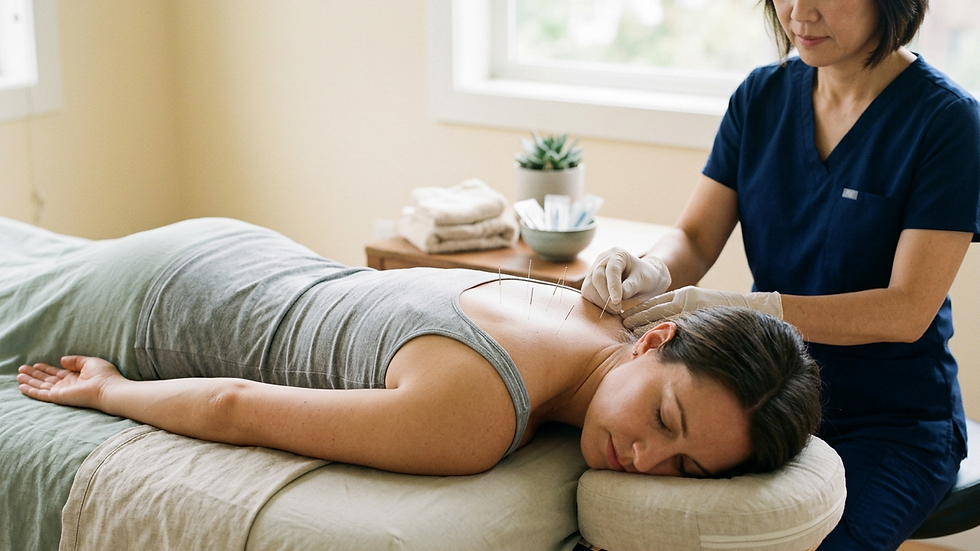
Acupuncture: Inserting fine needles at specific points to unblock energy pathways.
Herbal Medicine: Using natural herbs to calm the nervous system and support organ health.
Qi Gong and Tai Chi: Gentle movement exercises that enhance energy flow and reduce tension.
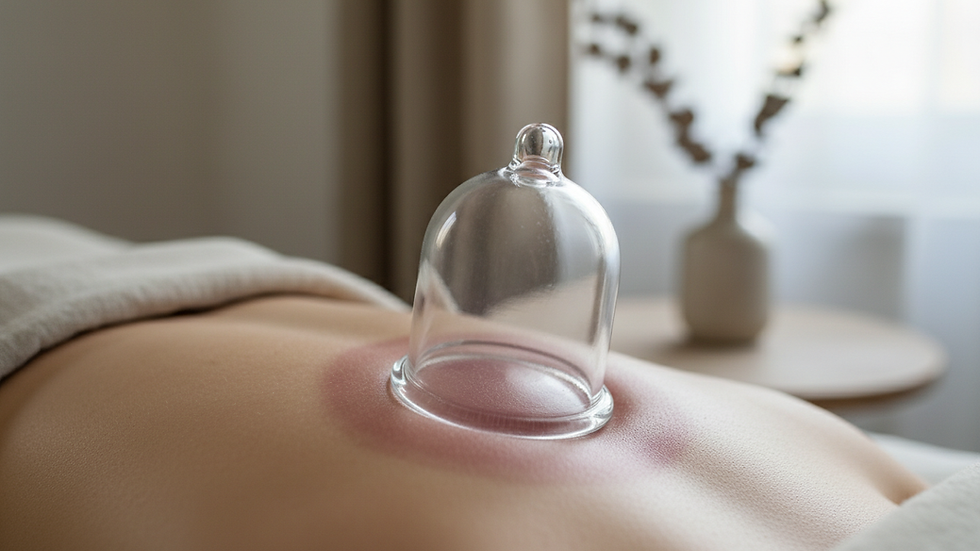
Cupping Therapy: Applying suction cups to improve circulation and release muscle tightness.
Dietary Therapy: Eating foods that nourish your body and balance your energy.
Each of these methods works together to create a holistic approach to stress management, addressing both your mind and body.

How to Manage Stress in TCM?
Managing stress with TCM involves understanding your unique body constitution and the specific imbalances causing your stress. A TCM practitioner will assess your symptoms, pulse, and tongue to create a personalized treatment plan. Here are some practical steps you can take to manage stress using TCM principles:
Identify Your Stress Pattern
TCM recognizes different types of stress patterns, such as Liver Qi stagnation, Heart Yin deficiency, or Spleen Qi weakness. Knowing your pattern helps target the right treatment.
Incorporate Acupuncture Sessions
Regular acupuncture treatments can help regulate your nervous system, reduce anxiety, and improve sleep quality. Even a few sessions can make a noticeable difference.
Practice Mindful Movement
Qi Gong and Tai Chi are excellent for calming your mind and improving energy flow. Try practicing these gentle exercises daily, even for just 10-15 minutes.
Use Herbal Support
Herbal formulas tailored to your needs can support your body's ability to handle stress. Always consult a qualified TCM herbalist before starting any herbal regimen.
Adjust Your Diet
Eating warm, nourishing foods like soups, whole grains, and seasonal vegetables can strengthen your digestive system and stabilize your energy.
Prioritize Rest and Sleep
TCM emphasizes the importance of rest for healing. Establish a calming bedtime routine and create a sleep-friendly environment.
By following these steps, you can actively participate in your stress relief journey and experience lasting benefits.
The Role of Acupuncture in Stress Relief
Acupuncture is one of the most well-known TCM stress relief methods. It works by stimulating specific points on your body to balance your Qi and release endorphins, your body's natural painkillers and mood enhancers. This process helps reduce cortisol levels, the hormone associated with stress.
During an acupuncture session, thin needles are gently inserted into targeted points, often on the hands, feet, or ears. Many people find the experience relaxing and report feeling a sense of calm and clarity afterward. Acupuncture can also improve sleep, reduce headaches, and ease muscle tension caused by stress.
If you are new to acupuncture, it is important to find a licensed practitioner who can tailor treatments to your individual needs. Consistency is key - a series of sessions often provides the best results.
Additional TCM Techniques to Support Stress Relief
Besides acupuncture, several other TCM techniques can help you manage stress naturally:
Cupping Therapy: This method uses suction cups to increase blood flow and release tight muscles. It can be especially helpful if stress causes physical tension or pain.
Moxibustion: Burning a herb called mugwort near acupuncture points to warm and stimulate energy flow.
Breathing Exercises: Deep, slow breathing techniques help calm your nervous system and improve oxygen flow.
Meditation and Visualization: These practices complement TCM by promoting mental clarity and emotional balance.
Incorporating these techniques into your routine can enhance your overall sense of well-being and resilience to stress.
Embracing a Holistic Lifestyle for Lasting Stress Relief
Stress relief is not just about occasional treatments; it is about creating a lifestyle that supports your body's natural balance. TCM encourages you to listen to your body and make choices that nurture your health every day. Here are some tips to help you embrace a holistic lifestyle:
Stay Hydrated: Drink plenty of water to support your body's detoxification processes.
Get Regular Exercise: Gentle activities like walking or swimming help maintain energy flow.
Connect with Nature: Spending time outdoors can reduce stress and improve mood.
Maintain Social Connections: Supportive relationships are vital for emotional health.
Limit Stimulants: Reduce caffeine and sugar intake, which can exacerbate stress.
By integrating these habits with TCM stress relief methods, you create a strong foundation for lasting peace and vitality.
If you want to explore more about tcm for stress management, consider consulting a qualified practitioner who can guide you through personalized treatments and lifestyle adjustments.
Taking the First Step Toward Stress Relief
Stress can feel overwhelming, but with the right tools and support, you can regain control and find balance. TCM stress relief methods offer gentle, natural ways to soothe your mind and body, helping you feel more grounded and resilient.
Start by exploring one or two techniques that resonate with you, such as acupuncture or Qi Gong. Remember, healing is a journey, and every small step counts. With patience and care, you can create a life where stress no longer controls you but becomes manageable and even an opportunity for growth.
Your well-being matters, and embracing TCM can be a powerful part of your path to lasting health and happiness.


Comments