


Effective Stress Relief with TCM Techniques: Stress Management with TCM

Stress is a common challenge that affects many aspects of our lives. It can disrupt sleep, cause physical discomfort, and impact emotional wellbeing. Over time, unmanaged stress can lead to more serious health issues. I have found that Traditional Chinese Medicine (TCM) offers gentle, natural, and effective ways to manage stress. In this post, I want to share how TCM techniques can help you find balance and calm in your daily life.
Understanding Stress Management with TCM
Traditional Chinese Medicine views stress not just as a mental or emotional issue but as an imbalance in the body’s energy, or Qi. When Qi flows smoothly, the body and mind feel balanced and healthy. Stress can cause blockages or deficiencies in this energy flow, leading to symptoms like tension, fatigue, and irritability.
TCM uses a variety of methods to restore harmony, including acupuncture, herbal medicine, dietary advice, and mind-body practices like Tai Chi and Qi Gong. These techniques work together to support the body’s natural healing processes and promote relaxation.
For example, acupuncture targets specific points on the body to release tension and improve circulation. Herbal formulas are tailored to your unique needs, helping to calm the nervous system and strengthen organs affected by stress. Incorporating gentle movement and breathing exercises can also enhance your overall sense of wellbeing.
If you want to explore more about how these methods work, you can learn about tcm for stress management and how it can be integrated into your lifestyle.

Key TCM Techniques for Stress Relief
There are several TCM techniques that I often recommend for effective stress relief. Each one offers unique benefits and can be adapted to your personal preferences and health goals.
Acupuncture
Acupuncture is one of the most well-known TCM practices. It involves inserting very thin needles into specific points on the body to stimulate energy flow. This can help reduce muscle tension, lower cortisol levels, and improve mood.
Many clients report feeling deeply relaxed during and after acupuncture sessions. It can also improve sleep quality, which is often disrupted by stress.
Herbal Medicine
Chinese herbal medicine uses natural plant-based formulas to support the body’s response to stress. Herbs like ginseng, licorice root, and jujube are commonly used to nourish the heart and calm the mind.
Herbal treatments are personalized based on your symptoms and constitution. This tailored approach ensures that the herbs work effectively without unwanted side effects.
Qi Gong and Tai Chi
These gentle movement practices combine slow, deliberate motions with deep breathing and meditation. They help to balance Qi, reduce anxiety, and improve physical flexibility.
Practicing Qi Gong or Tai Chi regularly can create a sense of inner peace and resilience against daily stressors.
Dietary Therapy
TCM dietary therapy focuses on eating foods that support your body’s energy and reduce stress. Warm, cooked meals with ingredients like ginger, garlic, and leafy greens are often recommended.
Avoiding excessive caffeine, sugar, and processed foods can also help stabilize mood and energy levels.
What do Chinese people do for stress?
In China, stress management is deeply integrated into daily life through a combination of traditional practices and lifestyle habits. Many people turn to TCM therapies as a first line of defense against stress.
Common approaches include:
Regular acupuncture sessions to maintain energy balance and prevent stress buildup.
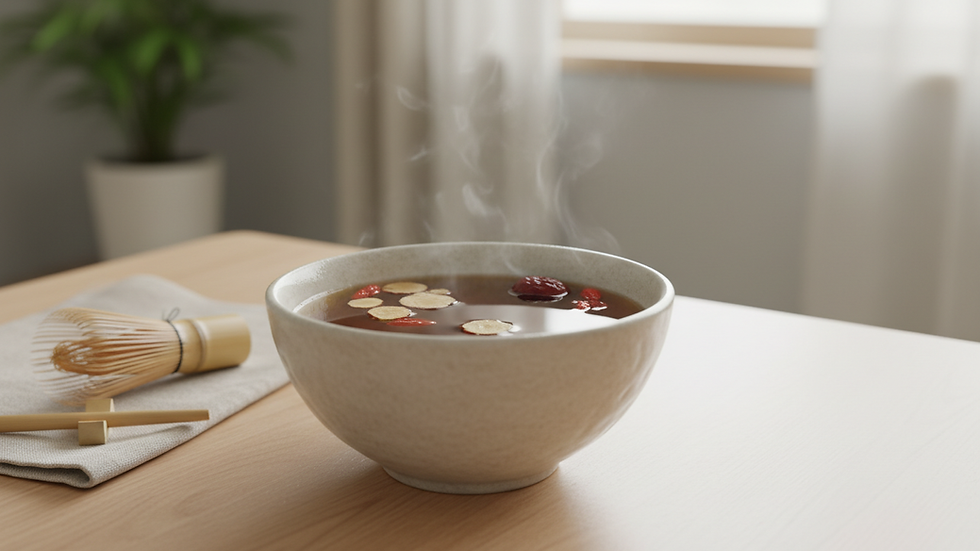
Herbal teas and tonics that are consumed daily to nourish the body and calm the mind.
Tai Chi and Qi Gong classes in parks or community centers, promoting physical and mental harmony.
Massage therapies such as Tui Na, which help release muscle tension and improve circulation.
Mindful eating habits that emphasize balance and moderation, avoiding foods that can aggravate stress.
These practices are often combined with modern lifestyle adjustments, such as prioritizing rest, spending time in nature, and maintaining strong social connections.
How to Incorporate TCM Stress Relief into Your Routine
Integrating TCM techniques into your life doesn’t have to be complicated. Here are some practical steps you can take to start experiencing the benefits of natural stress relief:
Schedule regular acupuncture treatments. Even once a week or biweekly sessions can make a significant difference.
Try herbal supplements or teas. Consult a qualified TCM practitioner to find the right formula for your needs.
Practice Qi Gong or Tai Chi. Join a local class or follow online videos to learn the basics.
Adjust your diet. Focus on whole, nourishing foods and reduce stimulants like caffeine.
Create a calming environment. Use aromatherapy, soft lighting, and quiet spaces to support relaxation.
Practice mindful breathing. Simple breathing exercises can be done anytime to reduce immediate stress.
By making these small changes, you can build resilience and improve your overall wellbeing naturally.
Embracing a Holistic Approach to Stress Relief
Stress affects us on many levels - physical, emotional, and mental. TCM’s holistic approach recognizes this interconnectedness and offers tools to address the root causes of stress rather than just the symptoms.
When I work with clients, I focus on creating personalized care plans that combine acupuncture, herbal medicine, lifestyle advice, and mind-body practices. This comprehensive approach helps restore balance and supports long-term health.
Remember, managing stress is a journey. It requires patience, self-compassion, and consistent care. TCM provides a gentle, effective path to help you feel more grounded, peaceful, and energized.
If you are ready to explore natural stress relief options, consider consulting a qualified TCM practitioner who can guide you safely and effectively.

Taking the First Step Toward Lasting Calm
Stress can feel overwhelming, but it doesn’t have to control your life. By embracing the wisdom of Traditional Chinese Medicine, you can find natural, lasting relief that supports your whole being.
Whether through acupuncture, herbal remedies, mindful movement, or dietary changes, TCM offers a path to restore harmony and resilience. I encourage you to explore these techniques with an open heart and a willingness to nurture yourself.
Your wellbeing is worth the investment. With the right support and tools, you can transform stress into a source of strength and balance.
Let this be the moment you choose to prioritize your health and embrace the gentle power of TCM for stress relief.


Comments